


More Than Just Clutter: Understanding Hoarding Disorder
- Jul 9
- 2 min read
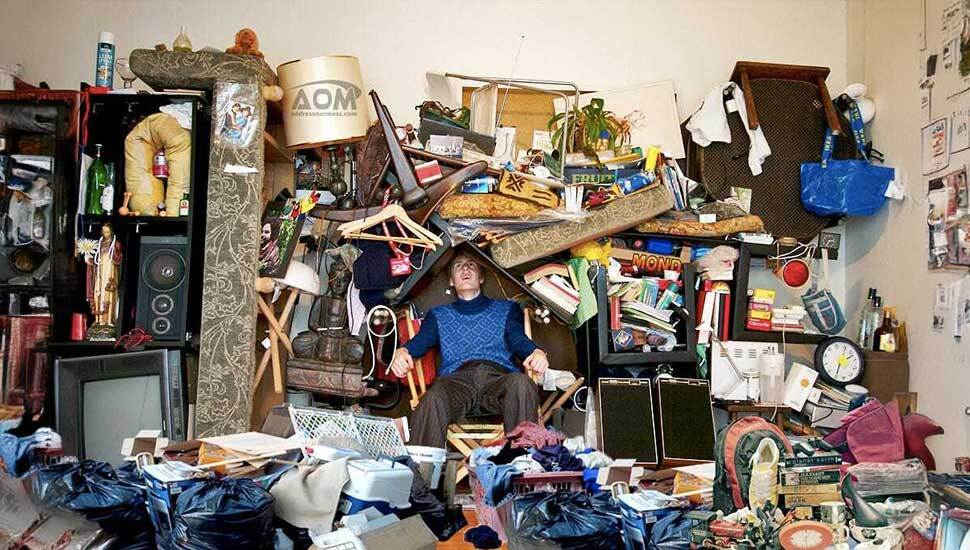
Every morning, Japanese Buddhist monks begin their day with soji, a 20-minute ritual of sweeping, wiping, and tidying. They don’t clean because the temple is dirty. They clean to sweep away the gloom in their hearts. It’s a reminder that our spaces and our minds are deeply connected. But what happens when letting go feels truly impossible?
For people living with a hoarding disorder, that connection becomes a painful one, and it’s more common in Singapore than most of us realise. Have you ever walked past a neighbour’s flat and noticed towers of newspapers, bags, and boxes piled up high, and immediately assumed they were just messy? You’re not alone. But what if there was more to the story?
Hoarding disorder is a recognised mental health condition where a person finds it genuinely hard to throw things away. Items are kept because the person feels emotionally connected to them, believes they’ll need them someday, or simply doesn’t want to be wasteful. This isn’t the same as just being messy. It causes real distress. Some people develop it after a difficult life event, like losing a loved one or going through a divorce. Behind every cluttered room, there’s almost always a story.
Local studies show that hoarding affects around 2% of Singapore’s community. With over 80% of us living in dense public housing, the risks like fire hazards, health concerns, and conflict with neighbours, which extend well beyond the individual. It doesn’t just affect the person hoarding, either. Family members often feel frustrated and helpless, sometimes even feeling that their loved ones care more about their possessions than about them. These feelings are valid, but understanding the disorder helps us respond with care rather than anger.
As Monk Matsumoto writes, cleaning “expresses our respect for and sense of wholeness with the world around us”. For someone with a hoarding disorder, rebuilding that relationship with their space takes time and support. Don’t clear their things without permission. Instead, listen without judgment, prioritize safety over tidiness and gently encourage professional help. Cognitive behavioural therapy (CBT) is a type of talk therapy that helps a person change unhelpful thought patterns and is one of the most effective treatments available.
Hoarding disorder is more common than we think, and more treatable than it seems. The first step is to understand it, not to judge it.
If you or someone you know needs support, reach out to the SAMH helpline at 1800-283-7019/ IMH: 6389 2222 (24 hours). You don’t have to face this alone
Writer: Ramya
Published: 09/07/2026
References:
Mayo Clinic. (2023). Hoarding disorder.
HelpGuide. (2026). Helping someone with a hoarding disorder.
Singapore Medical Journal. (2015). Hoarding in Singapore.
Matsumoto, S. (2018). A Monk's Guide to a Clean House and Mind. Penguin.
Buddhistdoor Global. (2021). Japanese monk promotes cleaning as a path to wellbeing.


Comments