


What Drug Addiction Can Teach us about Social Media Addiction
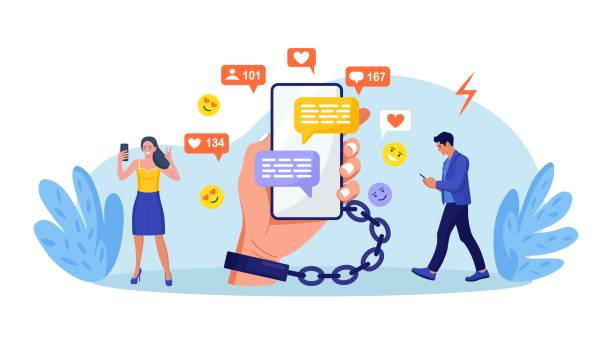
Scrolling on social media has become a common part of daily life, but how often do we stop to reflect on its impact? According to Anderson and Wood (2025), key indicators of social media addiction include feelings of restlessness or distress when usage is restricted, as well as negative effects on academic or professional performance. These symptoms, along with impaired decision-making, closely resemble patterns observed in substance addiction.
Research suggests that each scrolling action triggers small releases of dopamine in the brain, reinforcing the behavior and encouraging repeated use. Over time, this can lead to tolerance, where users require longer periods of engagement to achieve the same level of satisfaction. Additionally, platforms such as TikTok are designed to maximize user retention through personalized algorithms and continuous content feeds. Features like infinite scrolling and refresh mechanisms resemble slot machine dynamics, making disengagement more difficult.
Excessive use of social media can become emotionally and functionally disruptive, particularly when it interferes with real-life relationships or contributes to mental health challenges such as anxiety and depression. To better understand personal motivations behind scrolling, a simple reflective exercise can be helpful.
Before opening a social media app, pause and identify your current emotional state (e.g., boredom, stress) and what you hope to gain (e.g., relaxation, distraction). While scrolling, check in periodically to assess whether you are intentionally engaging with content or simply operating on autopilot. Afterward, reflect on whether the experience improved your mood and whether your usage time is increasing or decreasing over days.
Although social media use may appear less harmful than substance use, its addictive potential is real. Breaking this cycle begins with awareness and intentional reflection.
Writer: Victor
Published: 27/04/2026
References
Amirthalingam, J., & Khera, A. (2024). Understanding social media addiction: a deep dive. Cureus, 16(10), e72499. https://doi.org/10.7759/cureus.72499
Jain, L., Velez, L., Karlapati, S., Forand, M., Kannali, R., Yousaf, R. A., Ahmed, R., Sarfraz, Z., Sutter, P. A., Tallo, C. A., & Ahmed, S. (2025). Exploring problematic TikTok use and mental health issues: A Systematic review of Empirical studies. Journal of Primary Care & Community Health, 16, 21501319251327303. https://doi.org/10.1177/21501319251327303
Meshi, D., Elizarova, A., Bender, A., & Verdejo-Garcia, A. (2019). Excessive social media users demonstrate impaired decision making in the Iowa Gambling Task. Journal of Behavioral Addictions, 8(1), 169–173. https://doi.org/10.1556/2006.7.2018.138
Sharpe, B., & Spooner, R. (2025). Dopamine-scrolling: a modern public health challenge requiring urgent attention. Perspectives in Public Health, 145(4), 190–191. https://doi.org/10.1177/17579139251331914
Willard, C. (2026, April 1). Before you scroll, try this mindful social media practice. Mindful. https://www.mindful.org/before-you-scroll-try-this-social-media-practice/


Comments